
Schedule Complimentary Consultation
Indiana Expert Tree Service & Lawn Care
4621 East 146th StreetCarmel, In 46033
(317) 846-3778
[email protected]
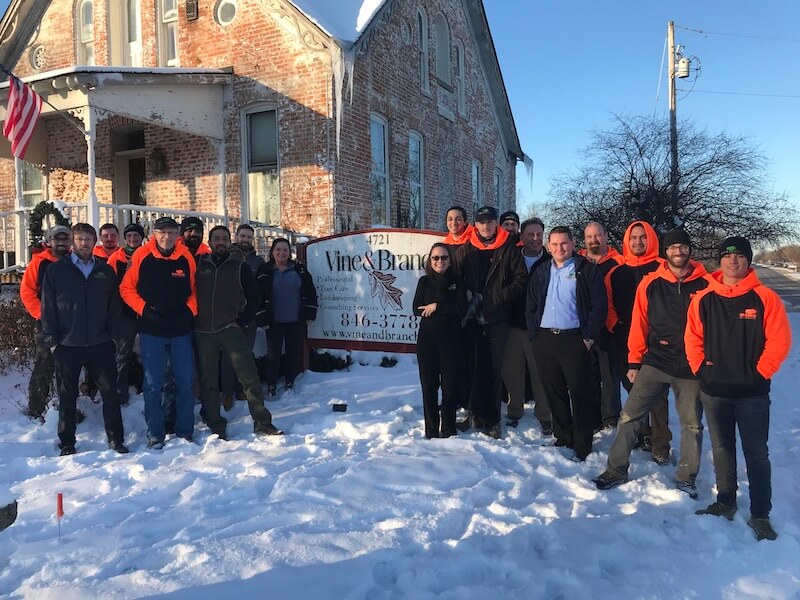
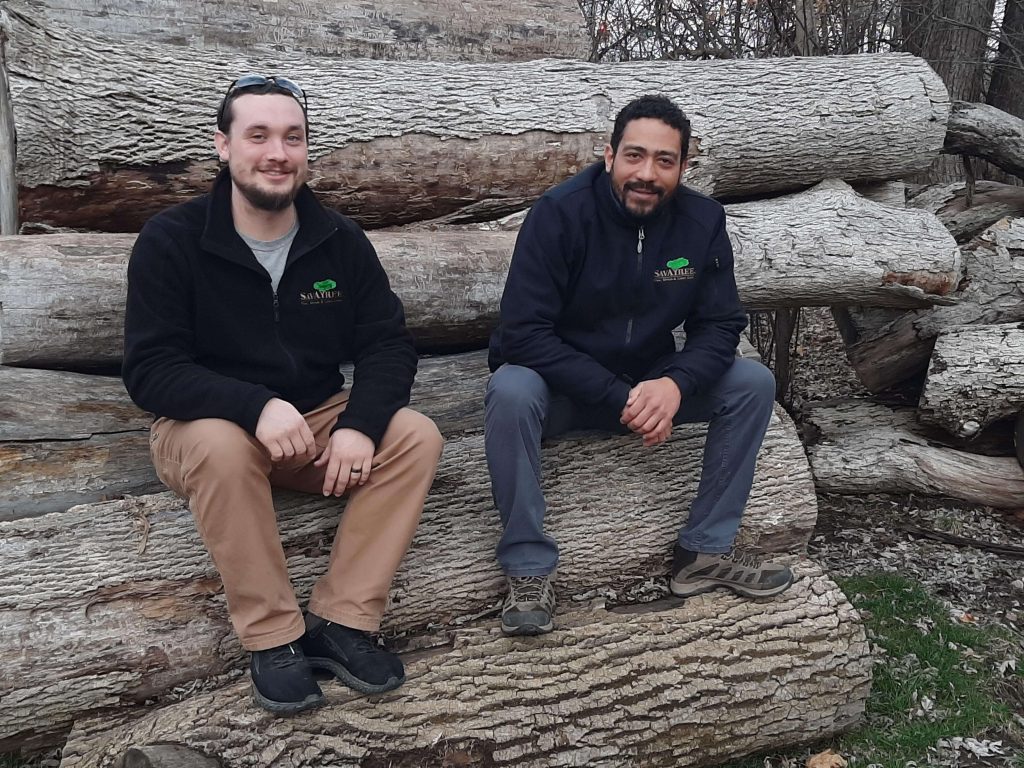
The Carmel, IN team includes:
- Matthew Johns – serving properties in Fishers, Carmel, and Indianapolis, IN.
- Kelly Funk – serving properties in Noblesville, Anderson, Westfield, Muncie, and Fishers, IN.
- Matthew Phillips – serving properties in Carmel, Westfield, Cicero, Arcadia, Indianapolis, Nora, Sheridan, and Atlanta, IN.
Professional Tree Service and Organic Lawn Care by Indiana Licensed Arborists
SavATree’s Carmel, Indiana tree service experts can protect your trees and help preserve the value and safety of your home. Each Indiana certified arborist provides a variety of professional tree services and has the knowledge required to identify and treat the pests and diseases common to Indiana properties. SavATree also provides lawn care services including organic lawn care, weed control and lawn fertilization.
Indiana Tree Care Services
Professional tree services can have an overwhelming impact on the value and beauty of your property. When you work with one of SavATree’s certified Indiana arborists, you can rest assured that he/she has the knowledge and experience to identify and treat the issues and conditions unique to Indiana tree species and landscapes.
SavATree’s Indiana arborists use their expertise, regional experience and eco-sensible philosophy to provide you with these exemplary tree services:
- Tree pruning / tree trimming
- Shrub pruning and fertilizing
- Custom blend tree fertilizer
- Tree disease diagnosis
- Insect and mite treatment
- Tree removal / take-downs
- Tick control
- Deer repellent
- Commercial tree service
Your SavATree arborist will perform a thorough inspection of your trees, diagnose trouble areas and make tree service recommendations that will help you obtain the landscape of your dreams.
Carmel, Indiana Commercial Tree Service
SavATree also provides commercial tree care services that can maintain the beauty, health and safety of the trees on your business property. We have over 20 years of experience working with commercial and municipal properties in Indiana including corporations of all sizes, golf courses, historic properties, property management firms and homeowners associations. For more information about tree services or to schedule your complimentary consultation with a Indiana licensed arborist, click here to contact us.
Interested in an Indiana tree or lawn care job in our industry? Learn how you can build your career with SavATree at savatree.com/careers/.


